Remote Buyers and Sellers
What should a video walkthrough of a valley home show?
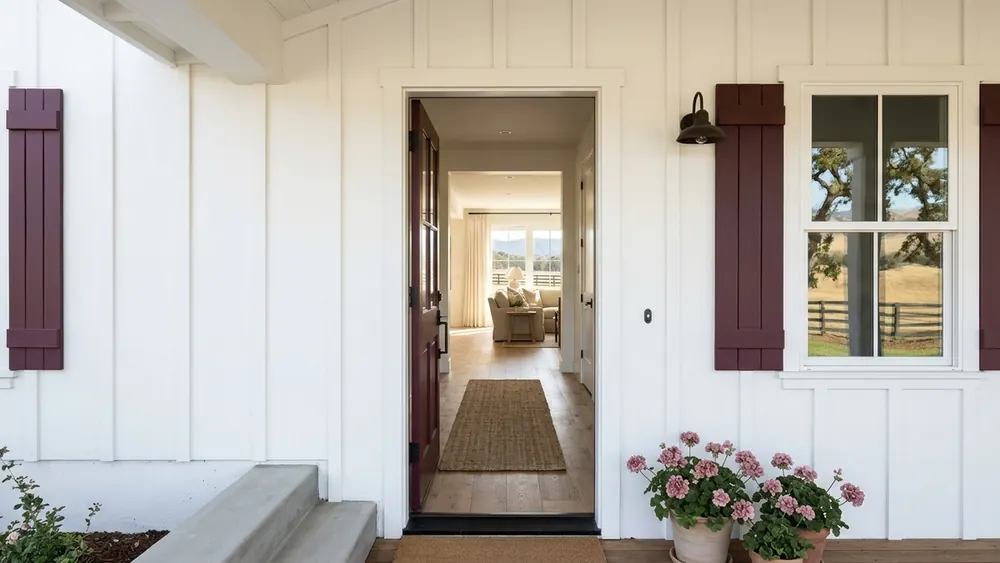
A useful video walkthrough shows the whole home in order, at a steady pace, including the parts listing photos skip: the approach, the layout, systems, condition, the yard and the edges of the lot. It should help you decide whether a visit is worth it.
On this page
A walkthrough should answer your real questions
A video walkthrough of a Santa Ynez Valley home should show the whole home in a logical order, at a pace you can follow, with nothing important left out. That means the approach and entry, how rooms connect, the condition of surfaces and fixtures, the systems that keep the home running, and the yard and edges of the lot. Its job is to help you decide whether the home deserves a visit.
Listing photos are built to show a home at its most appealing, and that is a fair job for them to do. A walkthrough has a different purpose. It fills in the gaps between those photos, shows how spaces relate to one another, and gives you a sense of scale that still images rarely do. Done well, it answers many of the questions you would ask if you were standing in the room.
This matters most when you are buying from a distance. Every trip to the valley takes time, and you want to spend it on homes that are a real fit. A careful walkthrough lets you rule homes out with confidence, keep the strongest few on your list, and arrive for an in person visit already knowing what you want to look at closely.
Steady footage beats a polished tour
The most useful walkthroughs are not the most cinematic. They move slowly, hold on each room long enough to take it in, and narrate what the camera is pointing at, so you always know which room you are in. A steady, continuous path through the home, from the front door onward, makes it easier to build a mental map than a series of quick cuts between highlights.
Jenae Johnson supports remote clients with detailed videos and photos, and the aim is honesty over polish. That includes showing scuffs, older fixtures and the corners that need work, because those are exactly the details that change whether a home fits your plans. A walkthrough that only shows the good parts leaves you with the same questions you started with.
A good walkthrough should show you the worn spots and the quirks too. If I only filmed the nice rooms, you would still need a trip to find out the rest.
Inside the home, room by room
Inside, ask that the video cover every room, not only the main living spaces. Bedrooms, bathrooms, closets, the laundry area and any garage or storage space all belong in it. Pausing at doorways to show how one room leads to the next helps you understand the flow, which is hard to judge from floor plans and photos alone.
Condition is the next layer. Look for close views of floors, walls, ceilings, windows and doors, and of kitchen and bathroom fixtures. Running water in sinks and showers, opening cabinets and showing the inside of closets all reveal more than a wide shot ever will. If something looks off, ask for a closer look rather than assuming it is fine. A few extra seconds of footage on a problem area can save you a wasted trip.
Natural light and sound are worth noting too. A walkthrough filmed at a particular time of day shows how light moves through the rooms at that hour, and you can ask for a second clip at a different time if light matters to you. Brief narration about what the camera cannot capture, such as how a room feels to stand in, fills in the rest.
Systems and upkeep worth seeing on camera
Systems are where a property management background is useful, because upkeep shapes the cost and comfort of owning a home. Ask the walkthrough to show the water heater, the heating and cooling equipment, the electrical panel and any visible plumbing. Showing labels and general condition helps you prepare questions, even though a video cannot tell you how well anything works.
Some valley homes rely on a well or a septic system, and many have older features that deserve attention. A video can show where these are and what they look like, but it cannot evaluate them. Questions about their condition belong with a licensed home inspector and a well or septic professional, and questions about rules belong with official county sources.
Outside, the yard and the lot
The outside of a home often matters as much as the inside, especially on a larger lot. A good walkthrough covers the approach, the exterior walls and roof line from the ground, and every side of the house rather than only the front. Slow pans across the yard show how the outdoor spaces connect to the home and to each other.
- The driveway, parking area and the path from the street to the front door
- Fences, gates, outbuildings and any structures beyond the main house
- Drainage areas, slopes and the condition of landscaping and hardscape
- The views from key windows and the yard in each direction
If the property has features you are unsure about, such as an outbuilding or a shared drive, ask questions while you watch. A video can show you what is there. Questions about permits, boundaries or what a structure can be used for go to official county or city sources and a qualified legal professional, not to a guess based on footage.
Matching each concern to the right source
A walkthrough raises questions, and each one has a natural place to go. Sorting them as you watch keeps your follow up focused. Here is a simple way to think about where the common questions belong. Jenae can help with the real estate side of each one, while condition, rules and coverage questions go to the professionals who can actually answer them.
| What you notice | Why it matters | Who to ask |
|---|---|---|
| Worn floors, fixtures or finishes | Shapes your repair budget and plans | Jenae, then a licensed home inspector |
| Older heating, cooling or water equipment | Affects comfort and future upkeep | A licensed home inspector |
| A well or septic system | Needs its own review before you commit | A well or septic professional |
| An outbuilding or added structure | Permits and use can raise questions | Official county or city sources |
| Features that affect insurance | Coverage can vary by home | An insurance agent |
Write each question down with a note on where in the video it came up. That makes it easy to follow up with Jenae, and it gives the inspector or other professional a clear starting point. Over time, these notes become a record of why a home made your short list, or why it did not.
Sellers can use walkthroughs too
Walkthroughs are not only for buyers. If you are selling a home in Solvang, Buellton or Los Olivos while living elsewhere, a walkthrough helps you see your home the way a distant buyer will. It can show which repairs are worth doing, which rooms need decluttering and which details a buyer is likely to ask about before visiting.
For buyers from outside the valley, clear photos, video walkthroughs and complete details help them decide. A seller who answers the questions a remote buyer would ask, before they ask, gives that buyer more reason to make the trip. The same honest, steady approach works on both sides of a sale, and it tends to bring better prepared buyers through the door.
Preparing for your first walkthrough
Before you watch your first walkthrough, write down what matters most to you in a home: the rooms you use every day, the systems you want to understand, and any features of the lot you care about. Share that list ahead of time, so the footage spends its time on what helps you decide, not on details you already know you do not need.
If you are considering a home anywhere in the Santa Ynez Valley, including Los Alamos and Lompoc, and you cannot be there for every showing, bring your questions to Jenae Johnson. A first conversation is a chance to talk through what you want to see on video and how walkthroughs can fit into the rest of your search, with no pressure to commit to anything.
This article is general information about buying, selling and moving in the Santa Ynez Valley and Santa Barbara County. It is not legal, tax, lending, escrow, zoning or inspection advice and does not predict prices or promise results. Confirm financing with a licensed lender, contracts with a qualified legal professional, escrow steps with an escrow professional, and wells, septic, zoning, land use, taxes and services with official sources. Jenae Johnson, Berkshire Hathaway HomeServices California Properties.

Written by